
 English
 French

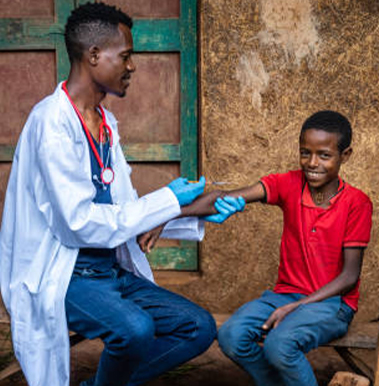
Explore LMICs
Transforming Health in Low- and Middle-Income Countries
The LMICs (Low- and Middle-Income Countries) are nations where per capita incomes are lower compared to high-income countries. These countries account for about 85% of the world's population and face unique health challenges, including a rapid rise in chronic diseases.
- 80% of global deaths due to chronic diseases occur in LMICs (WHO, 2022).
- 1 in 9 adults in Africa suffers from diabetes, a rapidly growing prevalence.
- 80% of hypertensive patients in Sub-Saharan Africa are undiagnosed and untreated.
- In 2020, about 1.1 million new cancer cases were diagnosed in Africa.
- Less than 10% of patients with mental disorders in Africa receive appropriate treatment.
- Urgent Needs: Lack of access to basic healthcare and a growing burden of chronic diseases.
- Innovation Potential: Rapid adoption of digital solutions such as telemedicine and connected devices.
- Global Impact: Improving the health of billions and reducing healthcare inequalities.
Africa: Burundi, Mali, Niger, Democratic Republic of Congo (DRC), South Sudan (Low income).
Côte d’Ivoire, Ghana, Kenya, Senegal, Zimbabwe (Lower middle income).
South Africa, Botswana, Morocco, Namibia, Tunisia (Upper middle income).
Asia: Afghanistan, Nepal, Yemen (Low income).
Bangladesh, Cambodia, Myanmar, Pakistan, Vietnam (Lower middle income).
India, Indonesia, Philippines, Sri Lanka, Thailand (Upper middle income).
Latin America and the Caribbean: Haiti (often low income).
Honduras, Nicaragua, Paraguay, El Salvador (Lower middle income).
Brazil, Colombia, Mexico, Peru, Dominican Republic (Upper middle income).
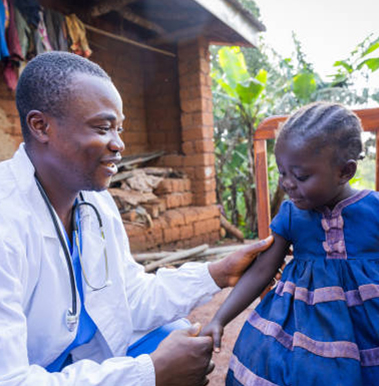
Our Actions in LMICs
- 1. Incubating local startups: Supporting innovators to develop solutions tailored to local needs.
- 2. Piloting projects: Testing and deploying technologies in hospitals and community clinics.
- 3. Building capacity: Providing training on technologies such as artificial intelligence and telemedicine.
Do you want to be part of the change? Join us to transform healthcare in LMICs.
